.png)
.png)
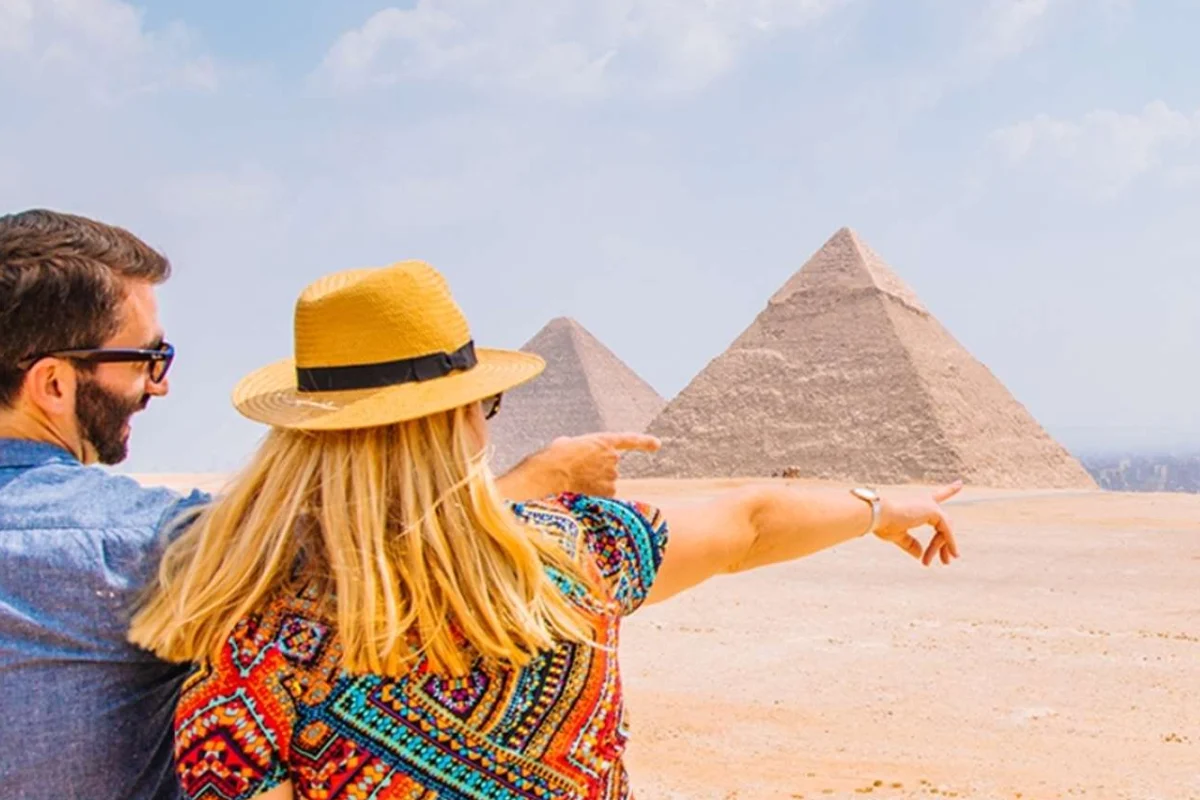
Egypt travel tips help you plan smarter, spend less time stressed, and enjoy Cairo, the pyramids, and the Nile. Most first-timers do best in the cooler months (roughly October to April), but your ideal timing depends on your route, budget, and heat tolerance.
Always follow local laws and check official entry rules before you fly. A smooth trip comes from small decisions: where you stay, how you move between cities, and what time you visit major sites. This guide focuses on simple steps you can apply immediately, plus realistic numbers for time, costs, and daily pacing.
Egypt travel tips to choose the right season and route
For most travelers, the easiest window is October to April because walking-heavy days feel comfortable in Cairo, Giza, Luxor, and Aswan. Summer can still work if you focus more on the Red Sea and plan early mornings for outdoor sightseeing. Egypt is large and climate varies, so the “best month” can differ between Alexandria’s coast, Cairo’s urban heat, and Upper Egypt’s intense sun.
In recent years, Egypt has welcomed roughly 10–16 million international visitors in a year, so popular landmarks can feel crowded at peak hours. That’s why timing your day often matters more than timing your month. If you want fewer crowds, aim for early openings, mid-week visits, and shoulder-season travel.
|
Goal |
Best time of year |
Trade-off |
Simple tip |
|---|---|---|---|
|
Temples + pyramids comfort |
Oct–Apr |
Higher demand |
Start at sunrise |
|
Value-focused travel |
May–Sep |
Hotter days |
Add indoor breaks |
|
Red Sea beach time |
Mar–Jun, Sep–Nov |
Windy days sometimes |
Keep a buffer day |
|
Desert and oases |
Nov–Mar |
Cooler nights |
Pack layers |
What should you book first for Egypt?
Start with Cairo/Giza first, then south (Luxor/Aswan), then the Red Sea if you want beaches. That order reduces backtracking and keeps your longest travel days under control. A classic egypt travel tips for first timers plan is 7–10 days, while 10–14 ones feels calmer if you add a Nile cruise or beach days.
Before you reserve anything, decide how you prefer to travel: independently with trains, or with a driver/guide for smoother logistics. Many travelers choose a hybrid approach: guided days for major sites, self-paced time for cafés, markets, and museums. Here’s a practical order that keeps changes cheap and stress low:
-
Flights in and out (Cairo in is common; sometimes Cairo in / Hurghada out saves time).
-
Hotels in Cairo and Luxor/Aswan (good locations sell out first).
-
Long-distance transport (flight, train, or private driver).
-
Only then: day tours, tickets, and optional experiences.
Do you need a visa for Egypt?
Visa rules depend on your nationality, and requirements can change, so this is a planning tip rather than legal advice. Many travelers can use an e-visa or obtain a visa on arrival, while others must apply in advance. Your airline can also enforce document checks before boarding, so confirm the exact rule for your passport and travel dates using official government sources.
Set yourself up to avoid airport surprises by keeping a small “documents routine.” Save digital copies, print the essentials, and ensure your passport validity meets entry requirements. If you’re visiting multiple countries on one trip, confirm whether Egypt requires proof of onward travel.
Is Egypt safe for tourists and families?
Egypt can be a rewarding destination for solo travelers, couples, and families when you plan with full awareness. Most issues visitors face hassle factors: aggressive selling, occasional overcharging, and confusing “help” around major sites. Staying in reputable areas, using licensed transport, and keeping valuables secured reduces most risks.
Heat can be the biggest safety variable, especially in Upper Egypt from late spring to early autumn. Treat extreme heat like a real hazard: slower pacing, more shade breaks, and earlier start times. If someone in your group has health concerns, plan more indoor attractions and keep your days shorter.
-
Use a crossbody bag that zips and stays in front in crowded areas.
-
Prefer hotel-arranged taxis or trusted ride-hailing for late nights.
-
Share your daily plan with a friend or family member.
-
Keep small change accessible so you’re not pulling out a full wallet.
Tipping, and budgeting without stress
Tipping is common in tourism settings, and small amounts can smooth interactions with drivers, porters, and service staff. Instead of memorizing “perfect” numbers, decide on a simple daily tip budget and carry small bills. For negotiation, keep your tone friendly, ask the price before you accept help, and be ready to walk away politely.
If you want an easier money routine, try this approach:
-
Keep two wallets: a small “daily” wallet and a backup stored safely.
-
Use ATMs for reasonable cash access, then break large notes early.
-
Confirm prices in advance for drivers, boats, and camel/horse rides.
-
Track spending by day, not by item, so you don’t feel constantly “nickel-and-dimed.”
Getting around: flights, trains, drivers, and ride-hailing
Egypt’s distances are bigger than they look on a map, and travel style changes your entire experience. Cairo to Luxor is roughly a 1-hour flight, while ground travel can take much longer depending on the mode. Trains can be a practical option for some routes and budgets, while a private driver can simplify multi-stop days and reduce planning fatigue.
Inside cities, ride-hailing is often easier than negotiating every trip, especially if you’re tired after sightseeing. For longer transfers, compare total costs for a driver versus a short flight once you include hotel pickup, airport time, and luggage handling. On busy travel days, always add buffer time—traffic in Cairo can easily add 30–60 minutes.
Egypt travel tips for Cairo and Giza days
Cairo rewards smart scheduling. Plan the pyramids and Saqqara early in the day, then shift to indoor or shaded locations at midday. That pacing protects your energy and helps your photos, because strong midday haze and harsh light can flatten details. Museums are great “reset stops” when traffic and heat build up.
At Giza, expect persistent vendors and offers for rides, photos, or “special access.” Many are legitimate services, but pricing can be unclear. Decide in advance whether you want a camel or horse ride, ask the full price upfront, and confirm what it includes before you step on. For a calmer day, structure it like this:
-
Giza at opening time (2–3 hours).
-
Lunch and a short rest (plan for 60–90 minutes).
-
Museum or a neighborhood walk (2–3 hours).
-
Sunset viewpoint or relaxed dinner (no rushing).
Egypt travel tips clothing, and health basics for the climate
Egypt travel tips clothing is easier when you plan for sun, dust, and temperature swings between day and night. In winter, evenings can feel cool, especially on the Nile or in desert areas. In summer, heat becomes the main variable, and dehydration can sneak up fast during long site visits.
Before making a list, think about your day shape: lots of walking, open sun at temples, and occasional dusty wind. Choose lightweight layers you can re-wear, comfortable shoes that handle sand and uneven stone, and sun protection. Here’s a practical packing list that covers most first trips:
-
Breathable tops, modest options for cultural sites, and a light layer for evenings
-
Walking shoes with grip, plus a backup pair if you’re doing long days
-
Sunscreen, hat, sunglasses, and a refillable water bottle
-
Small scarf (sun, dust, and temple etiquette)
-
Basic meds, rehydration salts, and travel insurance details
Health note: if you’re visiting in hot months, many travelers do better with 2–3 liters of water per day, plus shade breaks and lighter meals.
Common scams and how to handle them politely
Most “scams” in Egypt feel like pressure rather than danger: inflated prices, “free” help that later demands money, and unclear add-ons. You don’t need confrontation to handle this well. Calm repetition works: a smile, a short “no thank you,” and forward movement. When you do want a service, agree on the price first and confirm the endpoint.
An Egypt travel advice, at major sites, be cautious with unsolicited guides, photographers, or people who claim a place is “closed” to redirect you. Verify information with official staff, your hotel, or a clearly marked ticket office. For shopping, expect bargaining in many markets; treat it as part of the culture, not a battle. Try these phrases and habits:
-
“No, thank you.” (repeat once, then disengage)
-
“How much total?” (ask before accepting help)
-
“I’ll think about it.” (creates space without conflict)
-
Walk away if you feel rushed; fair deals survive a pause.
FAQs about Egypt travel tips
Should I hire a guide in Egypt?
A guide can add context at temples and reduce hassle at busy sites. Many travelers choose guided mornings for history-heavy days and keep afternoons free for markets, food, and relaxed exploration.
What’s the best way to do the Nile experience?
Choose a style that matches your pace: a cruise for convenience, or independent train/driver travel for flexibility. Either way, plan early temple visits and keep afternoons lighter.
Can I dress casually as a tourist?
Yes, but modest, breathable clothing helps with sun and cultural comfort. In mosques and some neighborhoods, covered shoulders and longer shorts or trousers are appreciated and often make interactions smoother.
How do I avoid food and water issues?
Wash hands often, choose busy restaurants, and be cautious with street food if your stomach is sensitive. Many travelers stick to sealed drinks and carry rehydration salts as a simple backup plan.
Conclusion: Egypt travel tips to make your trip smoother
In the end, Egypt travel tips are about pacing and clarity: start early, confirm prices and plan breaks so heat and crowds don’t bother you. Many first-time itineraries work best at 7–10 days, while 10–14 days often feels noticeably easier, especially if you add Luxor/Aswan and the Red Sea. Quick recap to act on today:
-
Choose October–April for easier sightseeing comfort, or summer for better value with careful heat planning.
-
Keep small cash, ask “how much total,” and book key hotels early.
-
Build buffer time for Cairo traffic and start major sites at opening.
If you want help turning these tips into a simple, law-compliant plan that fits your dates and energy, contact Egypt tours company and ask for a season-based itinerary with realistic daily pacing and clear inclusions.

.webp)