.png)
.png)
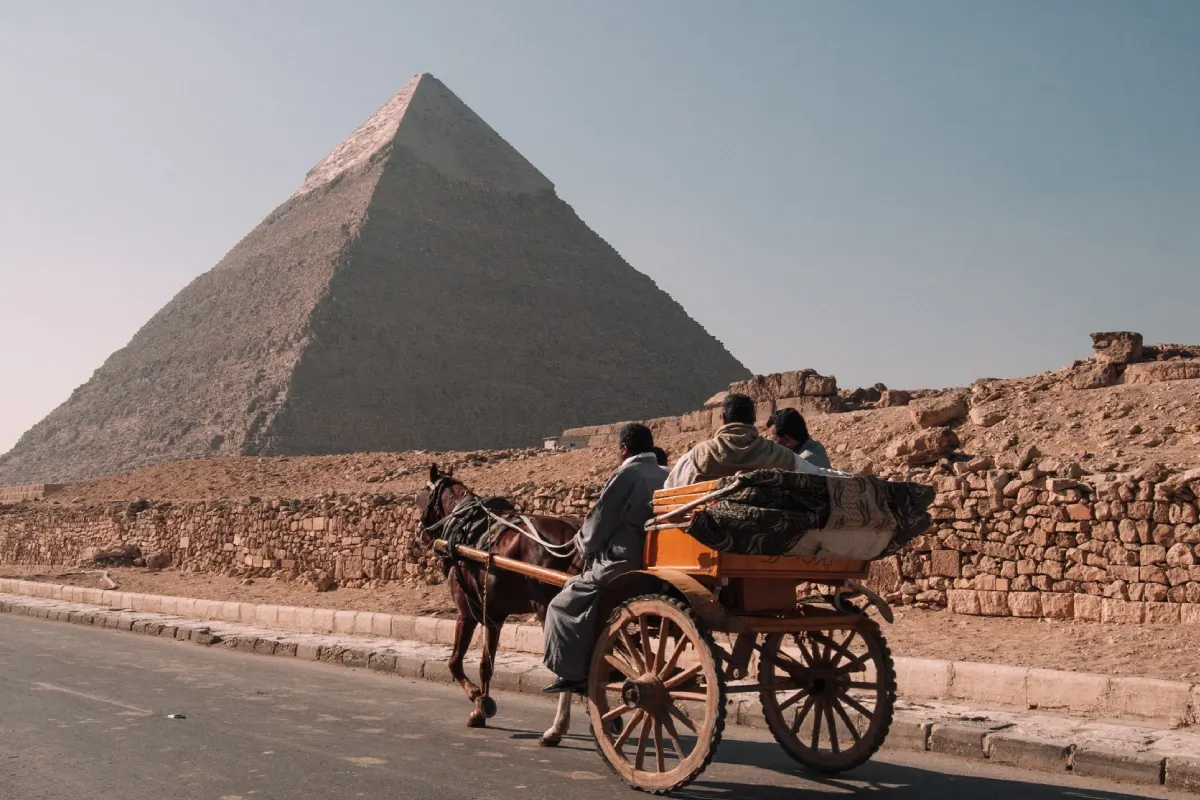
As a matter of fact, it is important to recognize how to plan trip to Egypt. You will know the reason why when you visit the pyramids of Giza that rise like colossal sentinels against the horizon, their weathered stones whispering secrets of pharaohs who dared to defy mortality.
This guide illuminates the path, distilling chaos into clarity with checklists, budgets, and etiquette, transforming trepidation into triumph. Whether history's devotee or beachside dreamer, Egypt awaits to etch its indelible mark upon your soul. Step forth, and let the Nile carry you home transformed.
How to Plan Trip to Egypt with Egypt Tours Company
If you’re wondering how to plan trip to Egypt, focus on three decisions first: when you’ll go, how long you’ll stay, and whether you want history-only or a mix of culture and beach. Once those are clear, visas, budgeting, transport, and hotels become straightforward choices rather than stressful guesses.
Travel rules and prices can change, so treat this guide as practical planning support, not legal advice. Check official entry requirements, local laws, and airline guidance before you book, then use the steps below to build a plan you can follow with confidence. Anyways, Egypt Tours Company will help you plan perfectly.
Steps to Keeping Forward in Egypt Tour
Before diving in, here’s a quick 10-step checklist to keep you moving forward without overthinking:
-
Pick your travel window (weather + crowds).
-
Choose your trip length (5 / 8 / 12 days).
-
Decide your travel style (budget / mid-range / comfort).
-
Confirm entry requirements (passport, visa method).
-
Draft a 2–3 base itinerary (Cairo + Upper Egypt + beach, if wanted).
-
Estimate daily costs and add a buffer.
-
Book key transport (flights or train) early if your dates are fixed.
-
Reserve stays in good locations (not just cheap ).
-
Plan connectivity (SIM/eSIM) and cash access.
-
Save a day-one plan for arrival, transfers, and rest.
When and How to Plan a Vacation to Egypt?
Egypt works year-round, which you will discover when you plan how to plan a vacation to Egypt. Nevertheless, your comfort depends on heat tolerance and how you feel about crowds. Many first-timers prefer cooler months for Cairo, Giza, Luxor, and Aswan because long outdoor visits feel easier. Summer can be quieter and sometimes cheaper, yet daytime heat may limit how much you enjoy temples and walking tours.
During thinking about how to plan trip to Egypt, think in seasons, not perfect dates. Shoulder seasons often balance pleasant weather with manageable crowds, while peak periods can raise prices for flights and hotels. Religious holidays, school breaks, and local events can also shift demand, so it helps to keep your schedule flexible.
A Seasonal Guide for Planning Your Holiday
Here’s a simple seasonal guide you can screenshot and use when planning a trip to Egypt:
|
Season |
What it feels like |
Crowd level |
Best for |
|---|---|---|---|
|
Peak cool season |
Mild days, cooler nights |
Higher |
History-heavy itineraries |
|
Shoulder season |
Comfortable mix, occasional heat |
Medium |
Balanced city + Nile plans |
|
Hot season |
Very warm days, strong sun |
Lower |
Red Sea resorts, slower pacing |
Do You Need a Visa for Egypt and What Should You Prepare?
Entry depends on your passport, so start by checking which option applies: an Egypt eVisa (online approval), a visa on arrival (at the airport), or a visa from an embassy/consulate. As a result, to keep it simple, confirm requirements from an official source, then follow the exact document and photo rules to avoid delays. For how to plan trip to Egypt without last-minute stress, visa prep is the easiest win.
At a practical level, aim to have your paperwork organized and accessible. A few minutes of preparation can save you a long conversation at the counter, especially after a flight.
A Suitable Preparation List
Use this quick preparation list:
-
Passport validity: confirm you meet the required validity window.
-
Digital and printed copies: passport, visa approval (if used), hotel address, and flight details.
-
Travel insurance: choose coverage that matches your activities and comfort level.
-
Emergency notes: allergies, key contacts, and your accommodation phone number.
-
Payment method: a card plus some cash, in case a terminal is down.
How Many Days in Egypt is Enough to Feel Satisfied?
The right length depends on how many regions you want to include. Egypt is bigger than it looks on a map when you factor in transfers, early starts, and recovery time. Many people try to squeeze too much into a short visit, then feel rushed at the most iconic sites. For how to plan trip to Egypt intelligently, choose a duration that matches your pace.
-
5 days: Cairo + Giza, with one day trip (fast but doable).
-
7–8 days: Cairo + Giza + Luxor (classic first-timer balance).
-
10–12 days: Cairo + Luxor + Aswan, plus a beach or Abu Simbel (more relaxed).
Build your Egypt itinerary by regions, not by stress
Instead of hopping city-to-city daily, group your plan into 2–3 bases and take day trips from each one. This reduces packing, transit confusion, and decision fatigue. It also helps you stay flexible when you need a slower morning or when a site visit runs long. If you’re learning how to plan trip to Egypt, fewer bases is one of the highest-impact rules.
Most first trips naturally fall into three regions: Cairo (and Giza), Upper Egypt (Luxor and Aswan along the Nile), and an optional Red Sea break (Hurghada or Sharm El Sheikh). Once you choose your regions, your transport choices become obvious.
Classic first-timer route
Start in Cairo for museums, markets, and a day at Giza. Then head south to Luxor for the temples and tombs, and continue to Aswan for a calmer Nile vibe. This route matches what many travelers picture when they think of Egypt, and it’s efficient if you plan transport carefully.
Red Sea or Alexandria
Want a recovery phase? Add a few days on the Red Sea for snorkeling, diving, and downtime. Prefer a city switch without flying far? Alexandria can be a change of pace from Cairo, with a coastal feel and different architecture.
Pace tips that keep your days enjoyable
Go early for major sites, especially in Luxor and Aswan. Block a midday rest, then return for sunset views or relaxed evening walks. Build one empty half-day into your itinerary so your plan can breathe.
How to Organize a Trip to Egypt on a realistic budget
Budgeting while guessing how to organize a trip to Egypt gets easier when you stop chasing a single average cost and plan in ranges. Prices vary by season, location, and how you move around. Decide your comfort level first, then estimate daily spending, then add a buffer for surprises like upgraded transport, tips, or extra attraction tickets. This is a key step in how to plan trip to Egypt without feeling guilty every time you open your wallet.
Egypt’s currency is the Egyptian pound (EGP). Cards work well in many hotels and larger restaurants, but cash still matters for small purchases, local transport, and tipping (baksheesh). A smart approach is to use ATMs, then split cash into small amounts so you’re not constantly breaking large bills.
A Budget Framework
Here’s a simple daily budget framework you can adapt:
|
Style |
Lodging |
Food |
Transport |
Tickets + guide |
|
|---|---|---|---|---|---|
|
Value |
Basic, clean stays |
Local meals |
Mix of ride-hailing + public options |
Select sites |
|
|
Mid-range |
Comfortable hotels |
Mix local + tourist-friendly |
Trains/flights planned |
More sites + some guiding |
|
|
Comfort |
Higher-end stays |
More choice, less friction |
Private transfers or flights |
Guided days + smoother logistics |
What’s Easiest for First-timers When Planning a Trip to Egypt?
One should take into consideration transport while planning a trip to Egypt. Actually, transport is usually a mix of domestic flights, trains, and trusted car transfers, with ride-hailing in cities. Flights save time if your days are limited, while trains can be an experience if you prefer ground travel. In Cairo, apps like Uber or Careem can reduce haggling and make pricing clearer, although availability and pickup behavior can vary by area.
For many beginners, the lowest-friction option is to pre-plan long transfers and keep local movement flexible. That means you book the big connectors first, then decide daily rides once you’re on the ground. It’s also where a reputable local operator can help reduce uncertainty, especially if you want door-to-door timing in case you would like to consider how to plan trip to Egypt.
Transport Choices When Travelling in Egypt
Transport decisions to make before you land:
-
Will you fly or train between Cairo and Luxor/Aswan?
-
Do you want a private driver for day trips or just for airport transfers?
-
Are you comfortable navigating stations, or do you prefer pre-arranged pickups?
-
Do you need extra rest time after long transfers?
Best Method to Plan a Trip to Egypt Especially Where to Stay
If you are planning best way to plan a trip to Egypt, choose locations that reduce commute time, not just the cheapest rate. In Cairo, staying in a well-connected neighborhood can make museum days easier and evenings calmer. Some travelers prefer central access, while others like quieter areas and accept longer rides. Either can work if you plan your mornings.
In Luxor and Aswan, decide whether you want a Nile view atmosphere or quick access to daily departures. Luxor often revolves around early starts, so being close to where your day begins matters. In a Red Sea destination like Hurghada or Sharm El Sheikh, the priority shifts toward relaxation, walkability, and beach access.
Discovering Suitable Egypt Hotels
When reviewing hotels, look for:
-
Reliable air conditioning and hot water.
-
Clear location details, not vague near attractions claims.
-
Consistent guest notes about cleanliness and noise.
-
Practical amenities like breakfast timing and 24/7 reception.
Cultural etiquette, dress code, and tipping (baksheesh)
Egypt is welcoming, and most etiquette is common-sense: be respectful at religious sites, ask before photographing people, and keep your tone calm in busy markets. Dress norms vary by place. Resorts are more relaxed, while city streets and mosques usually call for modest coverage. Comfortable, breathable clothing helps with heat and sun exposure, especially during long outdoor visits.
Tipping, often called baksheesh, is part of daily life in many tourist-facing situations. It’s not about paying twice; it’s more like small appreciation for help, carrying bags, or guided support. Keep small bills ready so you can tip without awkwardly overpaying.
Safety, and common travel mistakes to avoid
Egypt can feel intense in busy areas, especially around top attractions. A calm, prepared mindset helps more than fear. Stay aware of your surroundings, keep valuables secure, and be cautious with unsolicited offers. If someone pressures you, a firm no thanks and walking away is often enough. For how to plan trip to Egypt responsibly, combine practical caution with respect for local people and rules.
The most common mistakes are planning too much in one day, skipping rest, and not setting expectations for crowds. Another frequent issue is buying tickets from unofficial sellers or accepting free help that becomes a paid demand. To reduce friction, use official ticket windows where possible, confirm prices before any service, and save negotiation energy for markets you actually want to enjoy.
Questions about Planning a Tour to Egypt
What’s the best time to visit Cairo and Luxor?
Cooler months are often more comfortable for long walking days, especially in Luxor where many visits are outdoors. Shoulder seasons can balance decent weather with fewer crowds. Hot months can still work well if you plan early mornings, midday rest, and slower pacing.
Do I need a guide at the Pyramids?
A guide is optional, but many first-timers find it helpful for context, navigation, and avoiding time-wasting. If you go independently, decide in advance what you want to see and how long you’ll stay. Be cautious with unofficial guides who approach you on-site.
How much cash should I carry each day?
A practical approach is to carry enough for small purchases, tips, and transport, then keep the rest secure. Cash is useful in markets and for quick service moments. Use ATMs for periodic withdrawals rather than exchanging too much at once.
Can I use cards and ATMs easily?
Cards often work in hotels and restaurants, while smaller vendors may prefer cash. ATMs are common in cities and tourist areas, yet machines can run out of cash or have temporary issues. Having two payment methods reduces stress if one fails.
What should I pack for Egypt?
Pack breathable clothing, comfortable walking shoes, sun protection, and a light layer for evenings or air-conditioned interiors. A small day bag, refillable water bottle, and basic meds can be very useful. For mosques and conservative areas, modest clothing helps you feel comfortable and respectful.
How do I handle airport arrival smoothly?
Save a simple day-one plan: how you’ll get a SIM/eSIM, where you’ll withdraw cash, and how you’ll reach your hotel. Keep your hotel address and phone number accessible. If you prefer less friction, arrange a trusted pickup in advance.
Conclusion about How to Plan Trip to Egypt
In the end, how to plan trip to Egypt comes down to picking the right season, choosing a realistic number of days, and building an itinerary with 2–3 bases instead of constant moving. Budget in ranges, keep cash for small needs, and plan early starts for major sites so heat and crowds don’t control your day. Quick recap:
-
Choose a season that matches your heat tolerance.
-
Aim for 7–10 days if you want Cairo plus Upper Egypt.
-
Use a simple budget range.
-
Pre-plan long transfers, stay flexible locally.
If you want a low-stress plan tailored to your pace and priorities, Egypt Tours Company can help you know how to plan trip to Egypt and map routes, logistics, and timing in a way that respects local rules and your comfort level.

.webp)